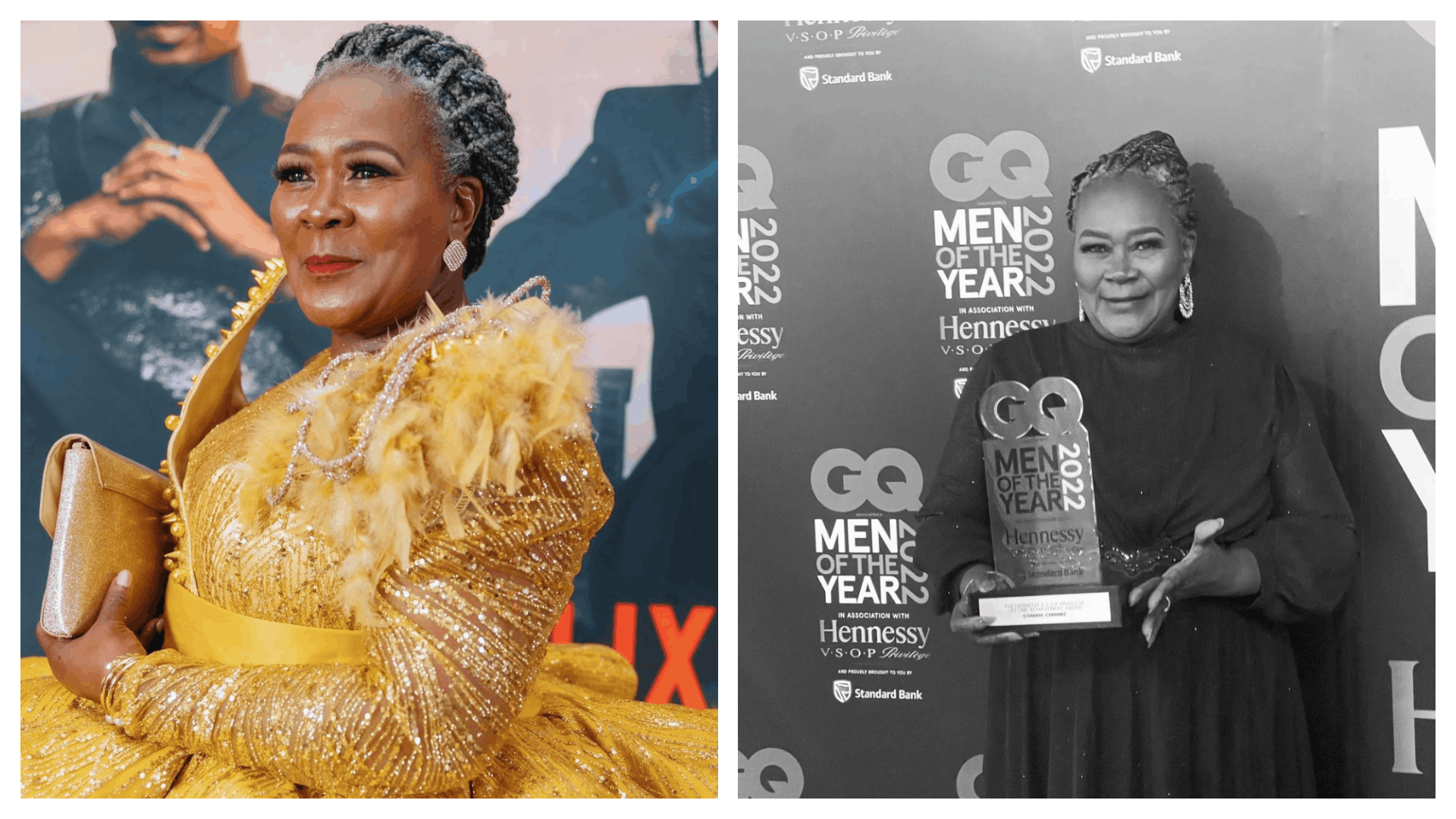
Connie Chiume, the celebrated South African actress known for her powerful performances in both television and film, tragically passed away at the age of 72. Her family confirmed her death following a brief hospitalisation for a medical procedure.
With a career that spanned over four decades, Chiume became a household name in South Africa, recognised for her roles in iconic series as well as her significant contributions to the Marvel Cinematic Universe in Black Panther and its sequel, Black Panther: Wakanda Forever. Her legacy as a pioneering artist who navigated the complexities of the South African entertainment industry will be remembered fondly by fans and colleagues alike.
Connie Chiume biography

Connie Chiume (June 5, 1952 – August 6, 2024) was a renowned South African actress. She was born in Welkom, Free State, South Africa. Her heritage was a blend of cultures, as her father hailed from Malawi and her mother was Zulu.
Chiume grew up in Welkom, where she attended primary school. She later moved to the Eastern Cape for her high school education. From a young age, she had aspirations of becoming a singer, which laid the foundation for her future in the performing arts. Despite her passion for entertainment, she initially pursued more conventional career paths.
After completing her high school education, Chiume trained as a nurse. However, she transitioned into teaching. In 1976, she obtained her teaching qualification and worked as an educator for a brief period. During this time, she continued to nurture her passion for performance, which would eventually lead her to a successful career in acting.
Connie Chiume career

Chiume’s acting career began with stage performances in productions such as Porgy and Bess, Ipi Ntombi and Little Shop of Horrors. Upon returning to South Africa, she gained recognition for her role as Thembi in the 1989 television series, Inkom’ Edla Yodwa. This marked the beginning of a successful trajectory in an industry that was still grappling with the effects of apartheid, where opportunities for Black actors were limited.
Rise to prominence
Throughout the 1990s and 2000s, Chiume continued to build her reputation as a talented actress. She starred in the film Warriors from Hell (1990) and received accolades for her performances in various television dramas. Notably, she won the “Best Actress” award at the South African Film and Television Awards (SAFTA) in 2000.
From 2007 to 2015, she became widely recognised for her role as Stella Moloi in the SABC1 drama series, Zone 14 – which earned her another SAFTA. She also portrayed Mamokete Khuse in the soap opera, Rhythm City, in 2015.
Breakthrough in film
Chiume’s career reached new heights with her involvement in the Marvel Cinematic Universe. In 2018, she played the role of the Mining Tribe Elder in the groundbreaking film, Black Panther. Her performance resonated with audiences and critics alike, leading to her reprisal of the role in the sequel, Black Panther: Wakanda Forever (2022).
Additionally, she appeared in Black Is King (2020), a visual album by Beyoncé that further showcased her talents on an international platform.
In her later years, Chiume continued to engage with new media and audiences, adapting to the changing landscape of the entertainment industry. She took on the role of Mam’Sonto Molefe in the drama series, Gomora.
Connie Chiume movies
Chiume’s career in film and television is marked by a diverse range of roles. They include:
Television roles
- Inkom’ Edla Yodwa (1989): Chiume played the character Thembi in this series, which was one of her first major roles.
- Yizo Yizo (2004): She appeared in this groundbreaking series that addressed social issues affecting South African youth.
- Zone 14 (2007-2015): Chiume portrayed Stella Moloi in this popular SABC1 drama series, a role that earned her significant acclaim and a South African Film and Television Award (SAFTA) for “Best Actress in a Drama Series”.
- Rhythm City (2015): In this long-running soap opera, she played Mamokete Khuse, a character that resonated with audiences and showcased her ability to tackle complex roles.
- Gomora (2020): Chiume took on the role of Mam’Sonto Molefe in this drama series.
- Queen Sono (2020): She played Nana Rakau in this Netflix series, demonstrating her adaptability to new media platforms.
Film roles
- Warriors from Hell (1990): This film marked one of her early entries into cinema, where she played the character Marita.
- Black Panther (2018): Chiume gained worldwide recognition for her role as the Mining Tribe Elder in this Marvel blockbuster.
- Black Panther: Wakanda Forever (2022): She reprised her role in the sequel.
- Black Is King (2020): In this visual album by Beyoncé, Chiume appeared as herself.
- Blessers (2019): She played Ma-Lerato in this film, which explored contemporary issues within South African society.
- In My Country (2004) and I Dreamed of Africa (2000): These films featured Chiume in supporting roles that showcased her acting range.
ALSO READ: Susan Saint James: A Life Dedicated To Acting, Philanthropy
Connie Chiume’s net worth

There are no accurate reports on Chiume’s net worth.
Connie Chiume family
Chiume was married to Jerry Mabuza from 1985 until their divorce in 2004. During their marriage, they had four children together: two sons and two daughters.
After her divorce, Chiume did not remarry and focused on her acting career and raising her children.
Connie Chiume age
Chiume was born on June 5, 1952. She died at the age of 72 years.
Connie Chiume death

Photo: @ConnieChiume/Instagram
Connie Chiume passed away on August 6, 2024, at the age of 72. Her death came after a period of hospitalisation, during which she underwent a medical procedure. She died at Garden City Hospital in Johannesburg, where she had been receiving medical care.
The news of her passing was confirmed by her family through a statement on social media. Her son, Nongelo Chiume, shared that she had been recovering well after the procedure but tragically passed away. The family did not disclose the specific health issues that led to her hospitalisation, but they indicated that she had experienced a period of illness before her death.